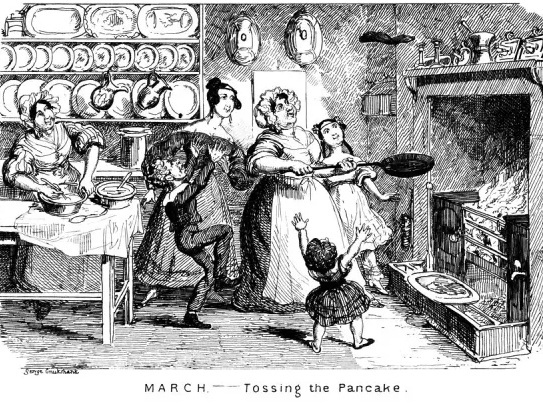
While some in the countryside of Regency England might hold to old customs of bonfires and All Hallow’s Eve superstitions of bonfires and bells, it was more common to celebrate All Saint’s Day on November First. As one gentleman wrote in his Journal of a Traveller on the Continent, “In England we celebrate all hallows eve or nutcrack night as this vigil is called by eating apples and cracking nuts; we disclaim and reject all worship of saints but as they never did us any harm if the apples are good and the nuts sound and we feel inclined to eat them we indulge our taste and kindly suffer the departed worthies to take whatever credit they may think redounds to them from the due performances of these ceremonies.” – ‘The London Magazine’ 1826
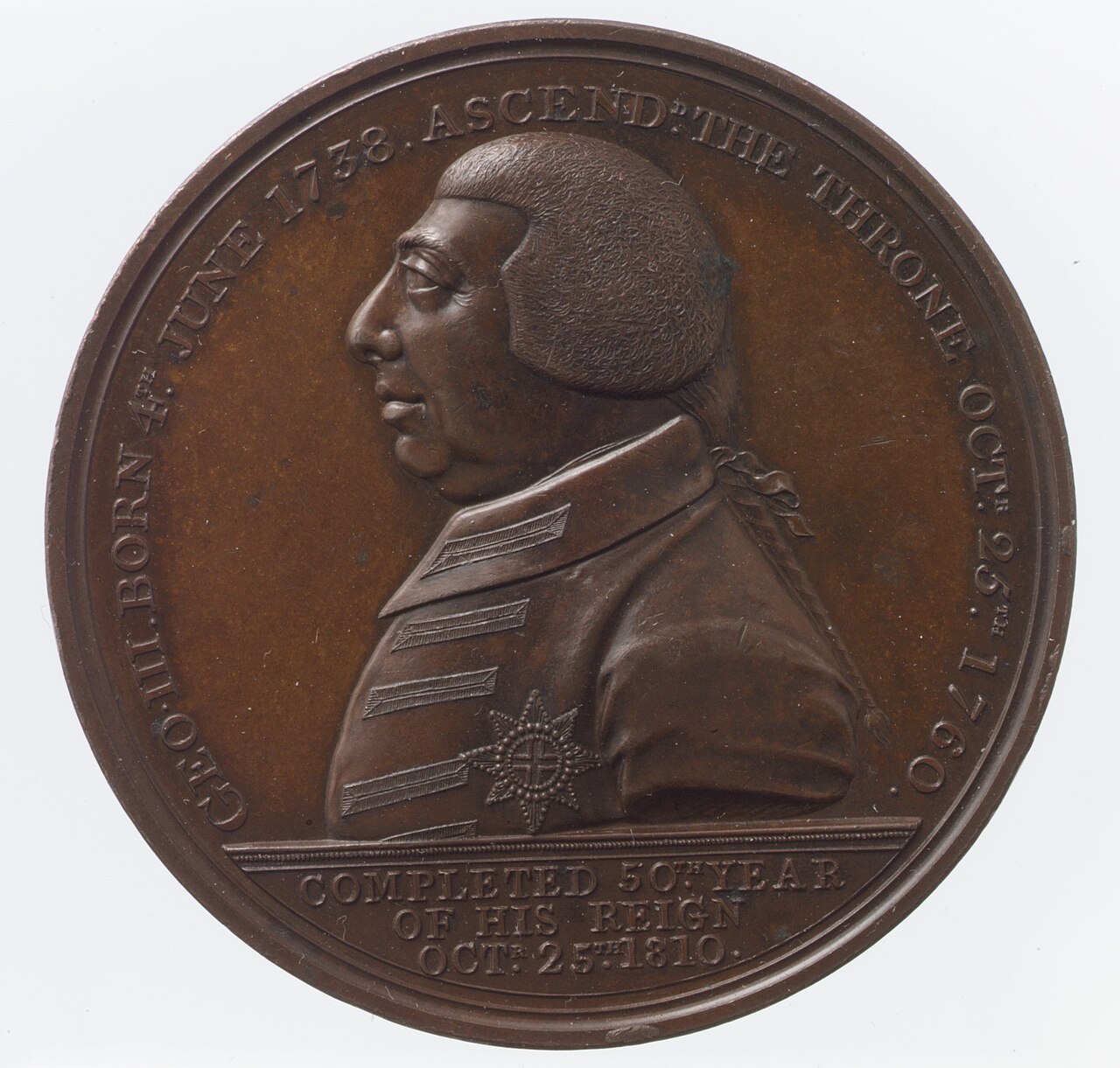
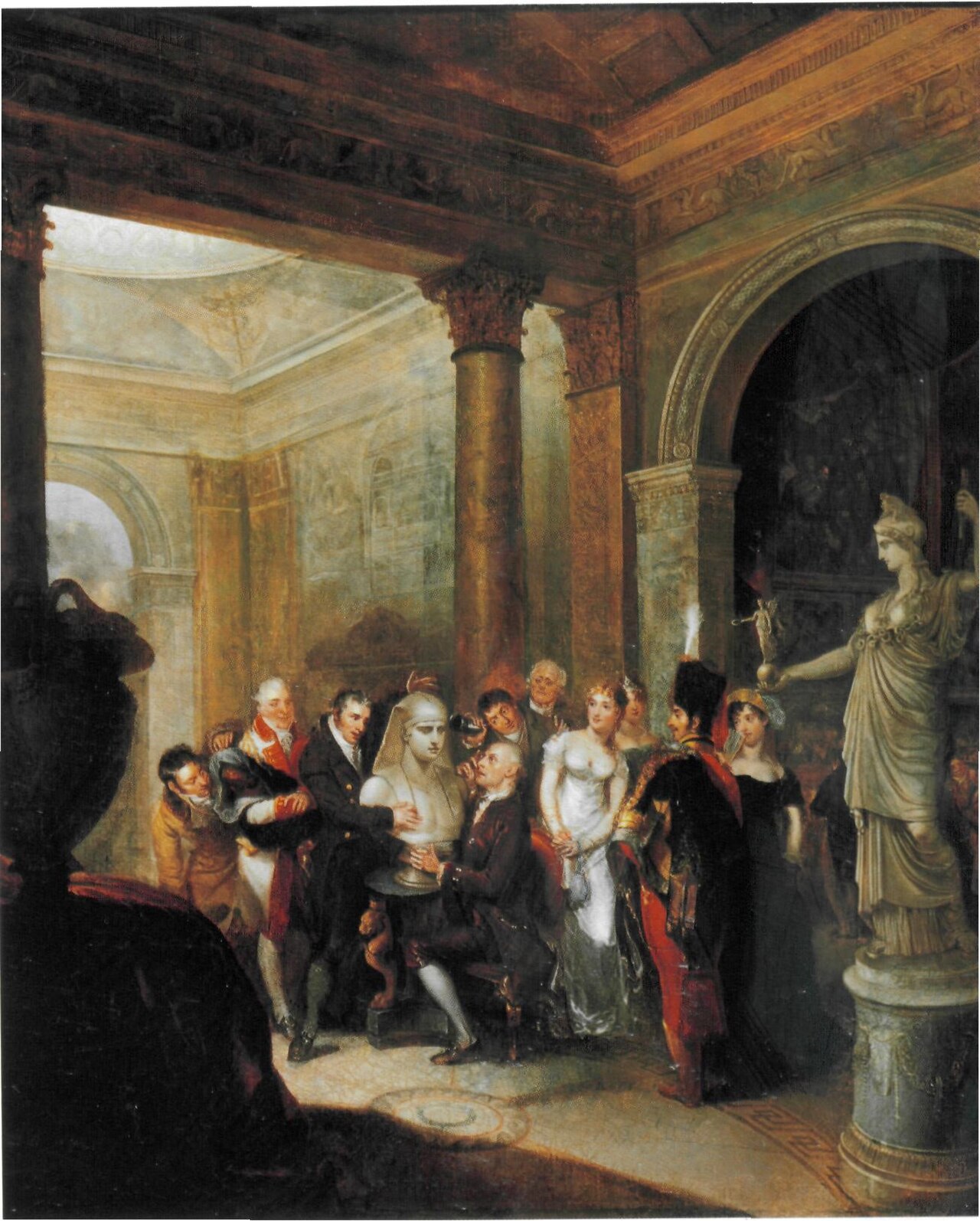
One special event fell on October 25, 1809 for the celebration of George III’s Jubilee. In an account of this, a naval officer’s wife wrote, “At half past five o’clock the doors of the magnificent Egyptian Hall were thrown open, illuminated by the blaze of innumerable lamps, tastefully arranged round the pillars, and the elegant lustres and chandeliers suspended from the roof. The tables were laid out with the greatest taste, and covered with an elegant dinner; the whole of which was served upon plate, with a plentiful supply of Madeira, &c. The band continuing during the whole time to play several delightful military and other airs.” That was not the only dinner mentioned, and sailors (tars as she calls them) got, “…roast beef, plum pudding, and a pint of wine, or half a pint of rum, in addition to their usual allowance.” Clerks at the Bank of England were given, “…one guinea each, for a dinner” and clerks at the Royal Exchange Insurance Fire Office got ten guineas, along with, “…the messengers five guineas each, and their firemen one guinea each. “At the King’s Bench, an ox was ordered in along with a butt of porter for the prisoners, and children in Christ’s Hospital also had a dinner of roast beef and plum pudding—the staples of almost any British celebration. The author also notes, “The different charity schools among the Jews had likewise dinners provided that day.” Along with dinners all over the city, there were also illuminations held across London. Medals were printed, all sorts of memorabilia created, and other celebrations were held across England that October.
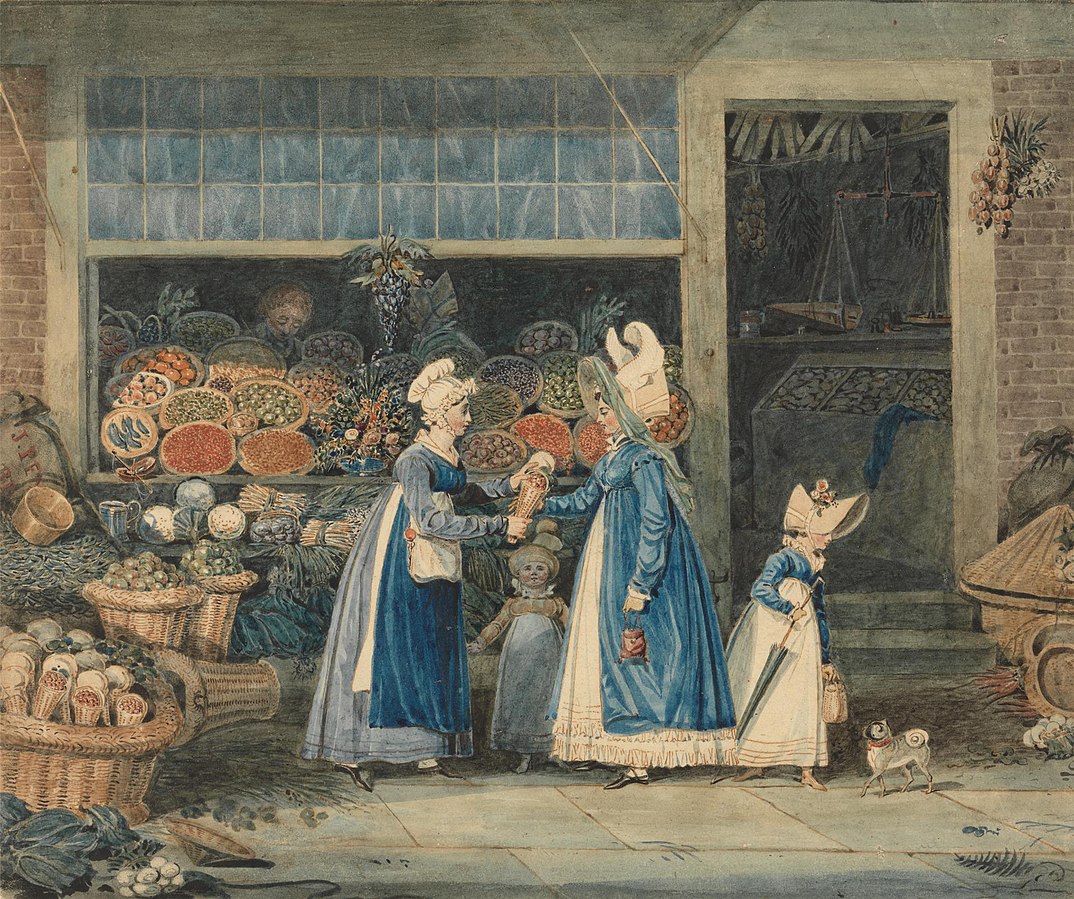
As to other fare, The Epicure’s Almanack notes that in October, “…peas and beans indeed have disappeared, but potatoes having now attained their proper growth are become mealy; and carrots, with which London is chiefly supplied from Sandwich, in Kent, now arrive in large quantities.” This is the old definition of “mealy” meaning fit for a meal. Meats from August and September continue on through October, November, and December.
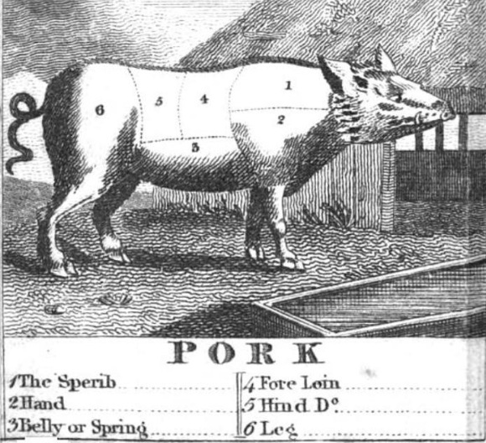
Almost every cottager had a pig, and the print at left from The Frugal Housewife shows the basic butchering cuts. She gives this advice for making certain pork has not gone off:
“Westphalia Hams and English Bacon. Put a knife under the bone that sticks out of the ham, and if it comes out in a manner clean, and has a curious flavour, it is sweet; if much smeered and dulled, it is tainted or rusty. English gammons are tried the same way; and for other parts, try the fat; if it be white, oily in feeling, does not break or crumb it is good; but if the contrary, and the lean has little streaks of yellow, it is rusty, or will soon be so.”
A pig slaughtered in the autumn could provide meat for a good long time, and might even provide the ‘boar’s head’ on the Christmas table (although some London shops imported actual boar’s meat). Recipes note how to soak salt pork to remove the salt and turn it into just pork for a pie or a stew.
John Loudon in his 1822 An Encylopaedia of Gardening writes of the tasks for English farms, and produce to be found:
OCTOBER
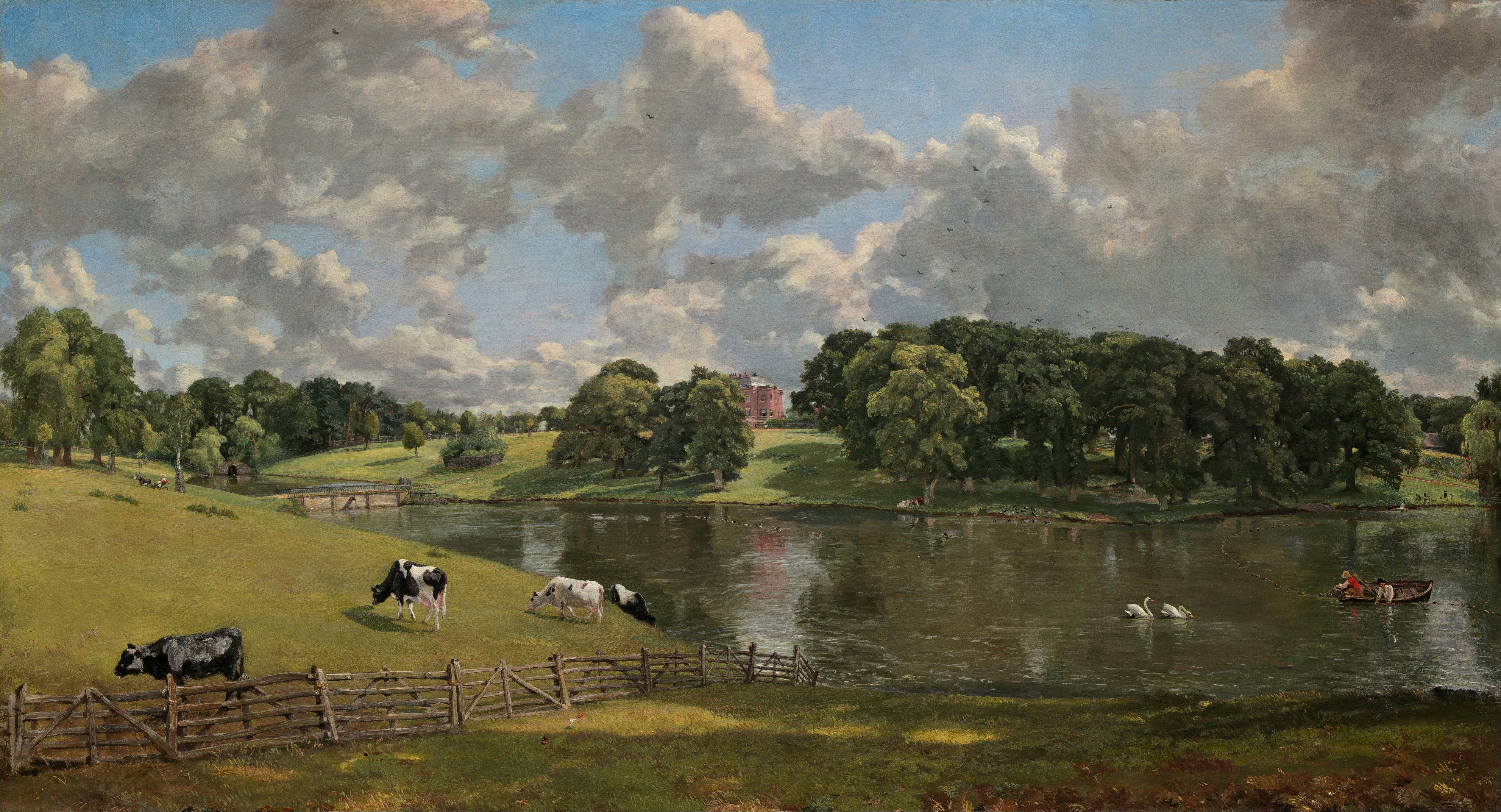
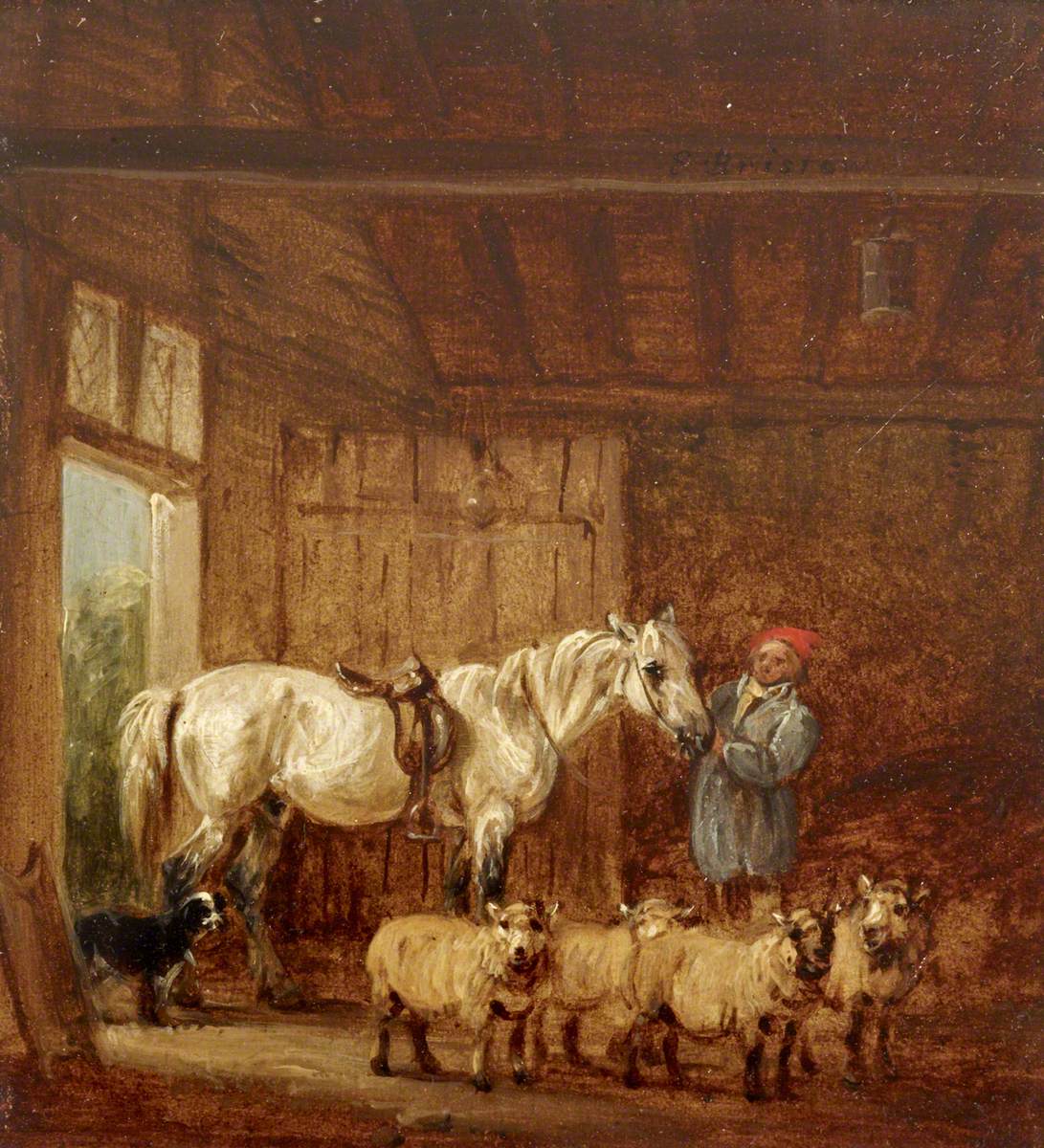
Rams to Ewes, Gathering Apples, Digging Potatoes, Harvest Festivals and Fairs, Cows in the fields eating stubble
Culinary Vegetables from the open Garden, or Garden Stores.
Cabbages, cauliflowers, brocolis. Peas and kidney-beans, if the weather is dry. Potatoes, turnips, carrots, radishes, Jerusalem artichokes, red-beet, skirret, salsify, scorzonera. Spinach, beet-chard, sorrel. Onions, leeks, garlic, shallots, and rocambole. Artichokes, cardoons, rampion, celery. Small salads, endive, succory, lettuce, winter-cress, burnet. Parsley, horse-radish, Indian-cress, marigold, fennel. Thyme, sage, mint, and all of this class green or dried. Gourds and pumkins, aromatic seeds, and dried herbs, as in September. Love-apple, capsicum, egg plant, red-cabbage, kidney bean. Meadow-sweet, and the other edible roots, and heath for brewing. All the sorts of edible fuci.
Hardy Fruits from the open Garden, Orchard, or Fruit-Room.
Apples, pears, quinces, medlars…some peaches, nectarines, apricots, plums, and protected or covered morello cherries. Grapes and strawberries, raspberries, and protected or covered gooseberries and currants. Almonds from the fruit-room; and wallnuts, chestnuts, and filberts from the trees. Wild services, cloudberries, bramble-berries, and cranberries.
Culinary Productions and Fruits from the forcing Department.
Mushrooms. Pines, grapes, melons, cucumbers, figs. Pomegranates, olives, Indian figs; torch-thistles and strawberry pears. Akees, aligator, and anchovy-pears; guavas, granadillas, durions, mangoes, and mangoesteen. Yams and Spanish potatoes.
To add to the list of less familiar foods, we have listed above:
- Meadow Sweet — traditionally used to make tea and flavor liquids with an almond and vanilla flavor.
- Bramble-berries – any fruit in the rubus family, but in England typically means blackberries.
- Durions – alternate spelling of ‘durian’ a fruit not well-known in England in the early 1800s.
- Mangoesteen – a fruit native to Southeast Asia with a sweet, tangy white flesh.